
Beyond Blue Links: How to Get Cited in Google’s AI Overviews
By Sheikh Athar
9 min read
Table of Contents

In 2026, SEO success has shifted from “ranking #1” to becoming a cited source in Google’s AI Overviews (SGE).
With organic Click-Through Rates (CTR) dropping by up to 61% for informational queries, brands must pivot to Answer Engine Optimization (AEO).
To get cited, you must lead with direct answers (the BLUF method), implement granular Schema markup, and build “Entity Authority” through ethical link building.
Sites that earn these AI citations see a 35% increase in organic clicks compared to non-cited competitors on the same SERP.
The New SEO Frontier: What are AI Citations in 2026?
If you feel like the ground is shifting beneath your feet, you’re not alone.
For two decades, the “Holy Grail” of digital marketing was the #1 spot in the blue links. But as we move through 2026, that spot is no longer the primary driver of traffic.
Today, Google’s Search Generative Experience (SGE) has transformed the search results page into a conversation. Instead of a list of websites, users are greeted with a synthesized, AI-generated response that answers their questions instantly. Within these responses are small, clickable links known as AI Citations.
Why should you care? Because the data is staggering.
According to a September 2025 study by Seer Interactive, organic CTR for informational queries plummeted by 61% once AI Overviews became the norm.
Even more shocking? Zero-click searches have surged to nearly 70%.
But here is the “silver lining” for your brand: While traditional clicks are down, AI Search visibility is the new gold rush.
Being a cited source doesn’t just give you a link but also it gives you a “Verified” stamp of authority from Google’s own AI.
The Shift from Search to “Answer” Engines
We are no longer just optimizing for Google, we are practicing Generative Engine Optimization (GEO). The AI isn’t looking for keyword density, it’s looking for answers it can trust.
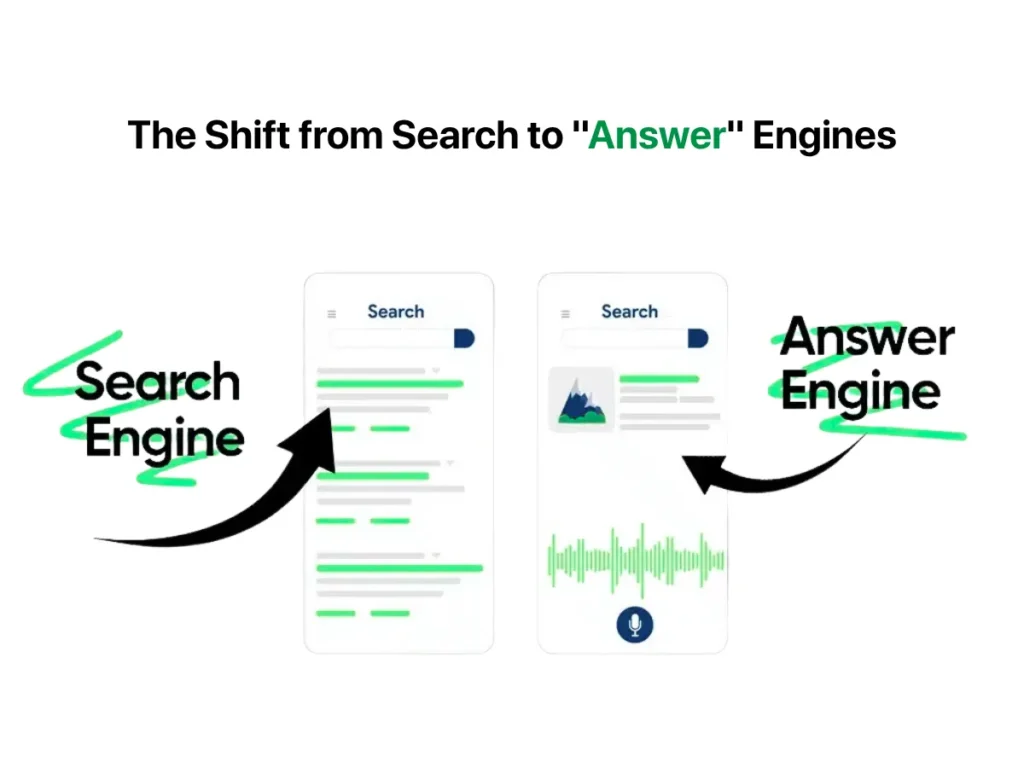
If your content is vague or buried under 500 words of “fluff,” the AI will skip right over you and cite your competitor who got straight to the point.
I hope you’ve got a clear picture of the “what” and “why” behind this shift. It’s a bit of a wake-up call, right? But don’t worry this isn’t the end of SEO, it’s just the evolution of it.
Now that we understand what we’re up against, let’s move on to the next section and talk about the massive rewards waiting for those who get this right.
The Big Shift: Why Your Brand Needs to be an “AI-Cited” Source
You might be thinking, “If clicks are dropping, why am I putting in all this effort?”
The answer lies in the quality of the visitor.
In 2026, the “window shopper” who clicks a link and bounces is being replaced by the “informed seeker” who reads the AI summary and clicks your citation to validate a decision.
The 35% “Citer’s Advantage”
While the average CTR has dropped, the impact of being cited in Google’s AI Overviews is transformative.
Data from Search Engine Land indicates that brands appearing as cited sources in an AI Overview capture 35% more organic clicks than those that appear in the traditional results but not the AI box.
Key Benefits of the Citation-First Strategy:
- Instant Trust: When Google says, “According to [Your Brand]…”, your credibility triples.
- Zero-Click Authority: Even if they don’t click today, your brand name is now etched in their mind as the expert. This drives “Branded Search” later on.
- Voice Search Dominance: Most AI-cited sources are the same ones used by Gemini and Google Assistant for voice responses.
How to Optimize Content for AI Summaries
Now that we understand why AI citations are the new “Gold Standard” for digital growth, the question is: How do we actually write for an AI crawler?
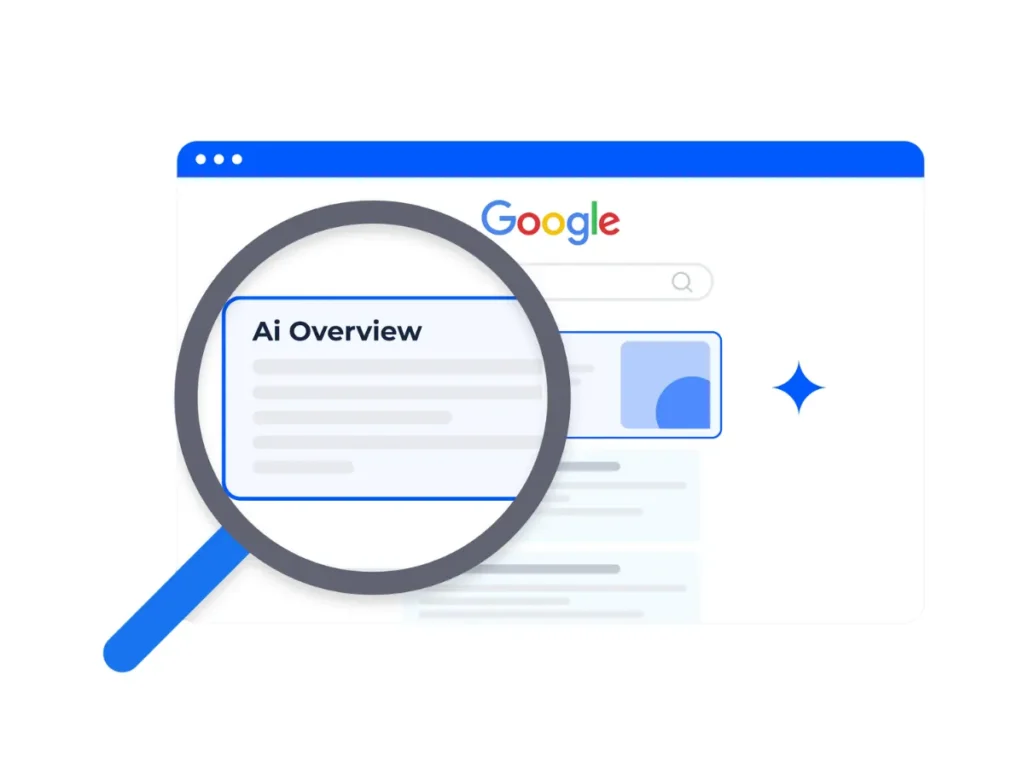
Google’s 2026 algorithm, powered by advanced Natural Language Processing (NLP), has a zero-tolerance policy for “fluff” or “filler” content.
To succeed in the era of Beyond Blue Links, your writing must be optimized for Answer Engine Optimization (AEO).
Here is the exact framework to make your content “AI-digestible.”
The BLUF Method: Lead with the Bottom Line Up Front
In traditional blogging, we often “bury the lead” by providing background information before giving the answer.
In the SGE era, this is a fatal mistake. You must use the BLUF (Bottom Line Up Front) method.
The Rule: Every H2 and H3 section should provide a direct, concise answer in the first 2-3 sentences. Google’s SGE model is designed to “snip” these summaries directly into the citation box.
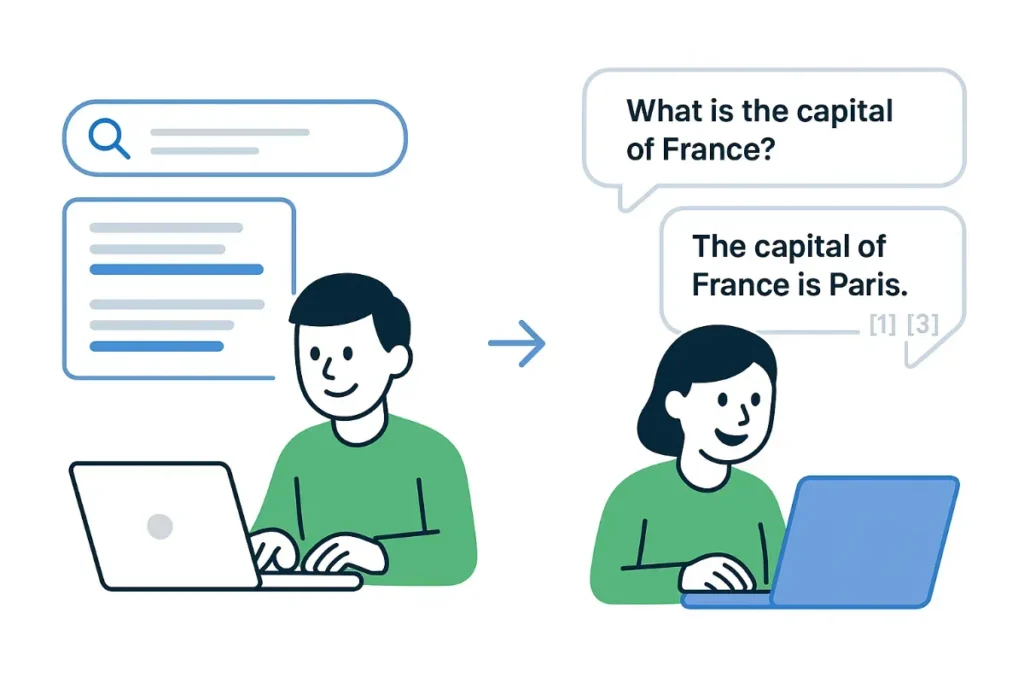
If you wander around the point, the AI will simply cite a competitor who was more direct.
Using Question-Based Headers to Capture “Follow-Up” Queries
Google’s AI doesn’t just provide one answer, it anticipates the user’s next move. These are known as Suggested Follow-up Queries.
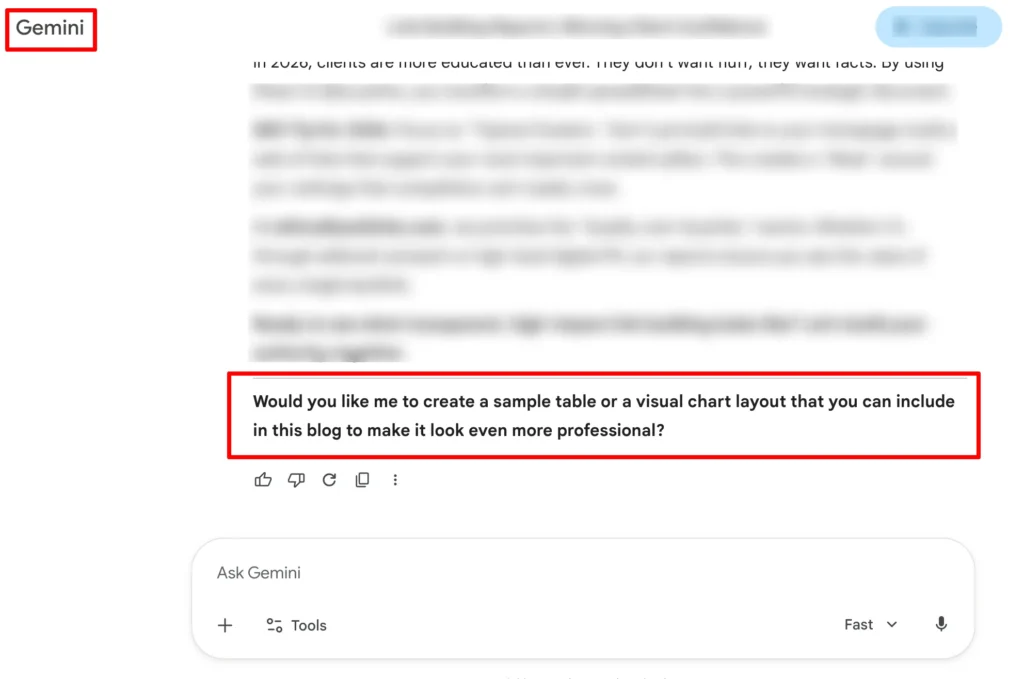
By structuring your sub-headers as questions (e.g., “How much does a backlink cost in 2026?“), you are essentially creating “hooks” for the AI to grab.
Expert Tip: Use Entity-based SEO to define the relationship between your topic and related concepts. If you are writing about backlinks, make sure you mention referring domains, link equity, and anchor text distribution within the same paragraph to build “Topical Authority.”
The Role of Semantic Density
AI models don’t just look for your primary keyword, they look for a “cloud” of related terms that prove you are an expert. This is called Semantic Density.
For this blog, we aren’t just talking about “AI search”, we’re discussing Generative Engine Optimization (GEO) and SGE visibility. These synonyms tell the AI that your content is deep, not just a surface-level overview.
5 Content Red Flags That Prevent AI from Citing Your Site
Even if you have the best information, Google’s SGE might ignore you if your page triggers certain “trust alarms.”
To succeed in Beyond Blue Links, you must avoid these common pitfalls:
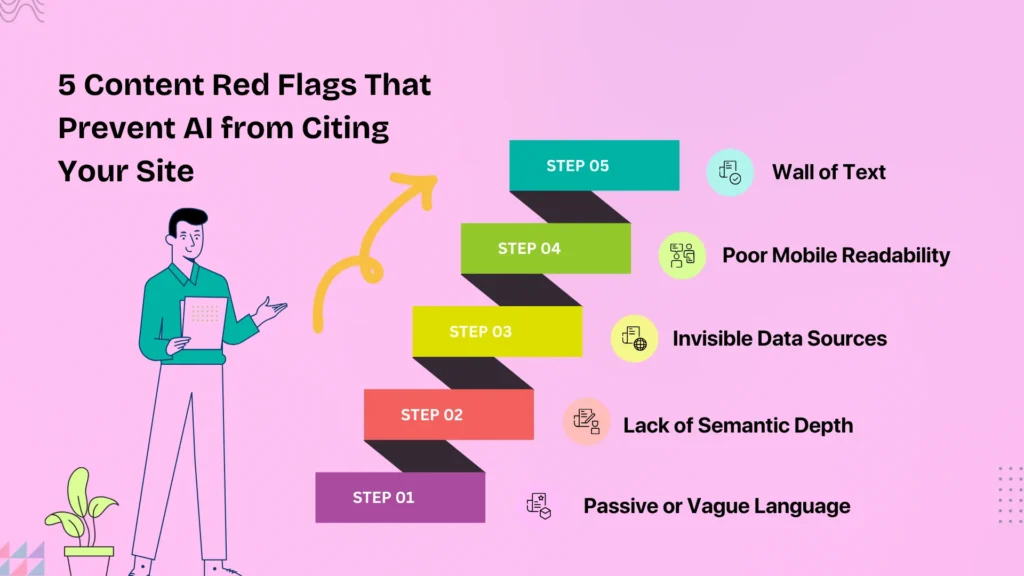
- Passive or Vague Language: AI models prioritize certainty. If you use phrases like “It might be possible that…” or “Some people say…”, the AI perceives a lack of authority. Use active, declarative sentences.
- Lack of Semantic Depth (Thin Content): If your post only touches the surface, it won’t be recognized as a “topical authority.” You need LSI keywords (Latent Semantic Indexing) to show you understand the whole ecosystem.
- Invisible Data Sources: If you state a fact but don’t link to a reputable source, Google’s AI (which is trained on fact-checking) may flag your content as unreliable.
- Poor Mobile Readability: SGE is heavily used on mobile. If your site has intrusive pop-ups or layout shifts (CLS), the crawler may deprioritize your content for the AI Overview.
- Wall of Text: AI likes structured data. If you don’t use bullet points, tables, and short paragraphs, the AI cannot “extract” the answer easily.
How Backlinks Still Fuel AI Trust Signals
This is the part many SEOs get wrong. They think because AI generates the answer, the “link” is dead. They couldn’t be more wrong.
In 2026, Ethical or Relevant Backlinks are the “Verified Citations” that tell Google’s AI which websites are safe to trust.
Think of it this way: Google is putting its own reputation on the line when it cites a source. It won’t cite a site that has no “votes of confidence” from other authorities.
The “Relationship” Between Links and SGE
Google uses Entity-based SEO to connect your site to specific topics.
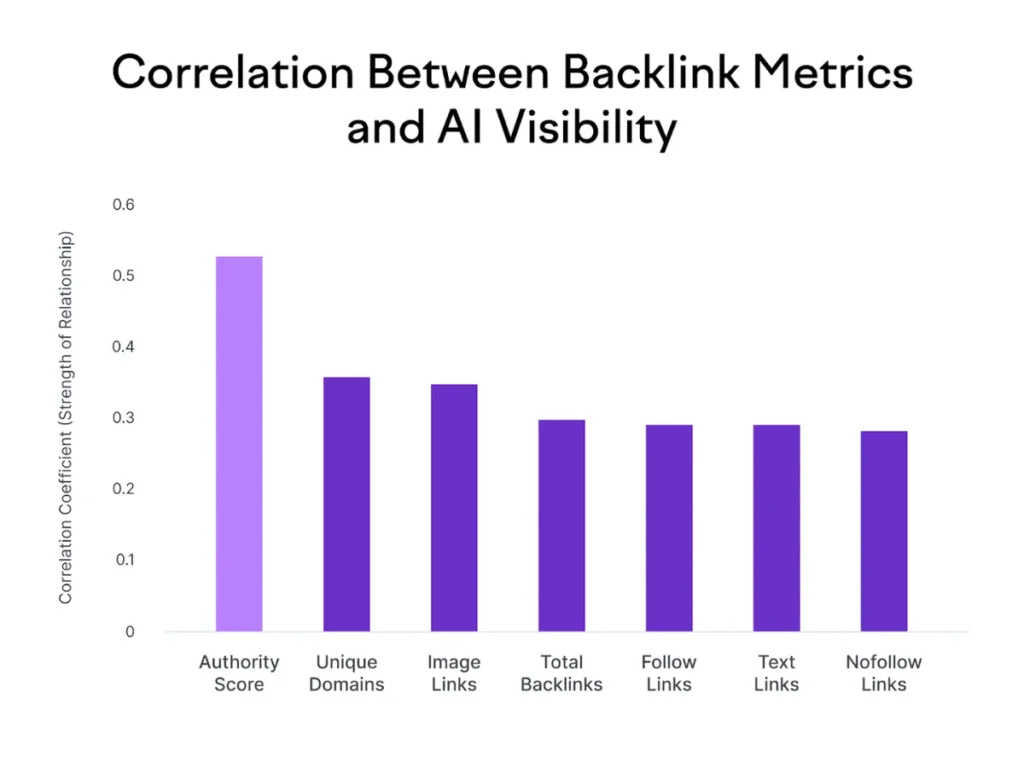
According to data from SEMrush, there is a strong correlation between the number of high-authority referring domains and a site’s likelihood of being featured in an AI Overview.
Tips for Ethical Link Building in the AI Era:
- Quality over Quantity: One link from a niche-specific authority (like a Law Review or a Finance Journal) is worth more than 100 generic links.
- Contextual Relevance: The anchor text should be natural and provide “semantic context” to the AI.
- Diversity of Sources: A healthy link profile shows the AI that you are respected across different parts of the web.
The Benefits: Why Being “AI-Cited” Matters for Your Brand
Moving beyond the technicalities, let’s talk about the business growth aspect. Why are we doing this?
- Shortened Sales Cycle: When a customer asks a question and Google answers using your brand as the source, the trust is built instantly. You don’t have to “sell” as hard.
- Voice Search Domination: Over 50% of adults now use voice search daily (Forbes 2025). AI Overviews are the primary source for these voice answers.
- Brand Longevity: Sites that focus on being “Answers” rather than just “Results” are much more resilient to algorithm updates.
Conclusion
The transition from a directory of links to an engine of answers is the most significant shift in the history of the internet.
While it may seem daunting that organic CTR has declined in some sectors, the opportunity for those who adapt is even greater. Moving Beyond Blue Links means evolving from a website that merely ranks to a brand that Google cites as a definitive authority.
Success in 2026 requires a “Human-First, AI-Ready” approach. By prioritizing direct, “snippable” answers, implementing granular Schema, and building ethical backlinks that serve as trust signals, you ensure your expertise remains at the forefront of the search experience.
The goal is no longer just to be found, but to be the trusted source that guides your audience through the noise. As search becomes more conversational and entity-based, your brand’s reputation is your strongest SEO asset.
It’s time to stop just “ranking” and start being the answer the world is looking for. Stay agile, stay data-backed, and continue to prioritize quality over shortcuts to lead the conversation in 2026.
Google AI cites the brands it trusts. Is your brand one of them? Build the ethical backlinks you need to earn AI citations—Contact Ethical Backlinks today!