
Link Insertions vs Guest Posts: Which Yields Better SEO ROI
By Sheikh Athar
9 min read
Table of Contents

Backlinks remain one of Google’s strongest ranking signals, but not all link-building tactics deliver the same return on investment.
As search algorithms continue to evolve and AI-powered search experiences become more prominent, businesses are paying closer attention to the quality, relevance, and impact of every backlink they acquire.
Among the most widely used link-building strategies, link insertions and guest posts consistently dominate the conversation. Both can help improve search visibility, increase authority, and drive organic growth, yet they differ significantly in terms of cost, effort, scalability, and overall SEO value.
This raises an important question for marketers, business owners, and SEO professionals: Link Insertions vs Guest Posts — which yields better SEO ROI in 2026?
The answer isn’t as straightforward as choosing one over the other. The best option depends on your website’s goals, budget, industry, and current authority.
In some situations, link insertions can produce faster results at a lower cost. In others, guest posting may offer stronger long-term benefits through topical authority and brand exposure.
In this guide, we’ll compare link insertions vs guest posts from every angle, including cost, ranking impact, scalability, referral traffic, and long-term value.
By the end, you’ll know exactly when to use each strategy and how to maximize your backlink ROI.
What Are Link Insertions and Guest Posts?
Before comparing ROI, it’s important to understand how these two link-building strategies work.
What Is a Link Insertion (Niche Edit)?
A link insertion, often called a niche edit, is the process of adding a backlink to an existing article that has already been published and indexed by Google.
Note: In SEO, indexed means a search engine like Google has visited your webpage, read its content, and saved it in its giant digital library database.
Instead of creating new content, website owners or outreach specialists identify relevant articles that already discuss a related topic and request the addition of a contextual backlink within the content. The backlink is placed naturally where it adds value for readers and aligns with the topic being discussed.
Many SEO professionals prefer link insertions because they allow backlinks to be placed on pages that already have authority, rankings, traffic, and trust signals.
What Is Guest Posting?

Guest posting often called a Guest Blogging, is the practice of creating and publishing a brand-new article on another website in exchange for a backlink.
Unlike link insertions, guest posts require fresh content to be written specifically for the target website and the article is then reviewed, edited, and published according to the publisher’s editorial guidelines.
So as we came to know, a new article is created from scratch, guest posting generally requires more time and resources than link insertions. However, it also offers greater control over content, messaging, anchor text placement, and topic selection.
Quick Comparison Between Link Insertions and Guest Posts
| Factor | Link Insertion | Guest Posts |
| New Content Required | No | Yes |
| Placement Speed | Faster | Slower |
| Content Cost | Lower | Higher |
| Editorial Control | Limited | Greater |
| Scalability | High | Moderate |
| Brand Visibility | Moderate | High |
| Time Investment | Lower | Higher |
Understanding the differences is important, but what most marketers really want to know is: Which strategy delivers a better return on investment?
Link Insertions vs Guest Posts: Why This Debate Matters in 2026
The SEO landscape has changed dramatically over the last few years.
Google has become better at evaluating content quality, topical relevance, author credibility, and overall website authority.
At the same time, AI-powered search experiences are changing how users discover information online. As a result, businesses can no longer afford to build backlinks simply for the sake of increasing domain metrics.
Every link-building investment must contribute to measurable outcomes such as:
- Higher keyword rankings
- Increased organic traffic
- Improved topical authority
- Better brand visibility
- Stronger trust signals
- More qualified leads and conversions
This is where the debate around link insertions vs guest posts becomes important.
Both strategies help websites acquire contextual backlinks from relevant third-party websites. However, the process, cost structure, and potential outcomes can vary significantly.
For example:
- Link insertions place backlinks within existing, already-indexed content.
- Guest posts require creating new content specifically for backlink placement.
- Link insertions are often faster to secure.
- Guest posts provide greater control over content and messaging.
- Both can deliver strong SEO value when executed correctly.
Understanding these differences helps marketers allocate budgets more effectively and build backlink profiles that align with modern search engine expectations.
Key Factors That Influence SEO ROI
When comparing link insertions vs guest posts, SEO ROI should not be measured solely by the number of backlinks acquired.
Instead, consider factors such as:
- Relevance of the linking website
- Organic traffic of the referring page
- Contextual placement of the backlink
- Indexation speed
- Authority of the linking domain
- Potential referral traffic
- Content quality
- Long-term sustainability
A backlink from a highly relevant page with established rankings can often outperform multiple links from lower-quality sources.
This is why experienced SEO professionals evaluate backlinks based on business outcomes rather than vanity metrics alone.
In the following sections, we’ll break down both strategies in detail to determine which delivers the strongest SEO return in 2026.
What Makes a Backlink Valuable?
Before deciding which strategy produces better ROI, it’s important to understand what actually makes a backlink valuable.
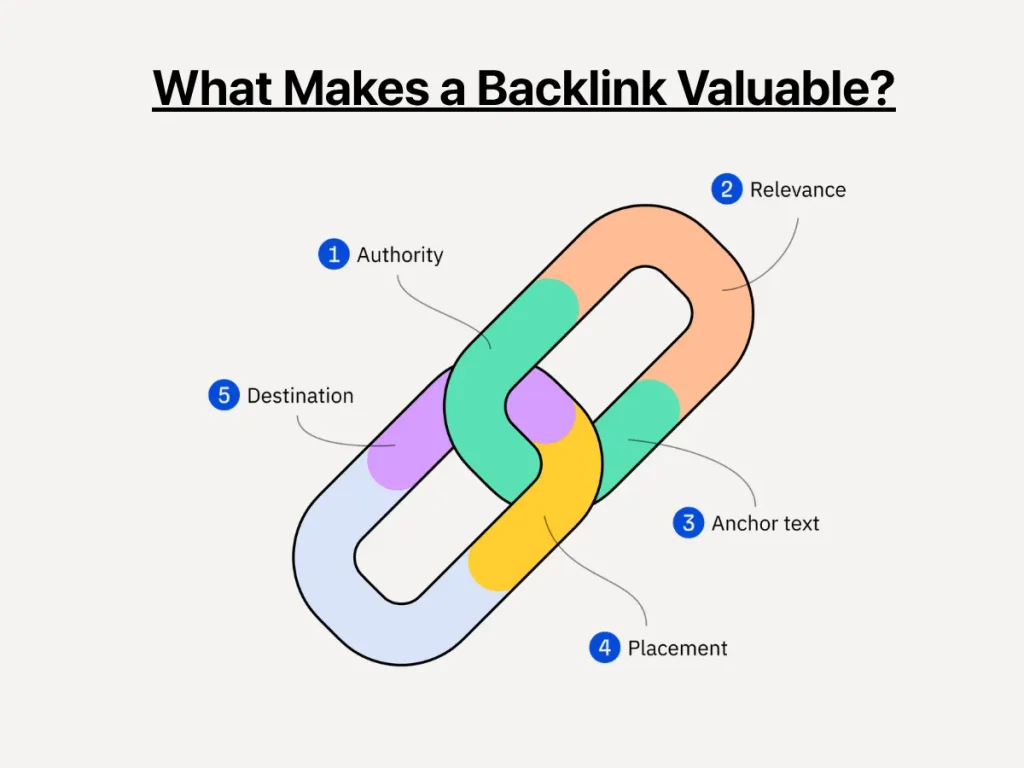
1. Topical Relevance
A backlink from a highly relevant website usually carries more value than a backlink from an unrelated website with stronger metrics.
2. Organic Traffic
Pages that receive consistent organic traffic often pass stronger trust signals than pages with little or no visibility.
3. Authority and Trust
Search engines evaluate the overall credibility of the linking domain and page when assessing backlink value.
4. Contextual Placement
Links placed naturally within relevant content tend to perform better than links placed in sidebars, footers, or author sections.
5. Indexation Status
A backlink cannot contribute much value if the page containing it isn’t indexed by search engines.
6. Editorial Standards
Links placed on genuine websites with real editorial processes are generally more valuable than links placed on low-quality sites built solely for SEO purposes.
SEO Benefits of Link Insertions
Link insertions remain one of the most popular link-building tactics for agencies and in-house SEO teams.
1. Faster Link Acquisition
Since no new content needs to be created, placements can often be secured much faster than guest posts.
2. Links From Existing Indexed Pages
One of the biggest advantages of link insertions is that the page already exists in Google’s index.
This means the backlink may be discovered and evaluated more quickly.
3. Potentially Faster Ranking Improvements
When a backlink is added to an established page with existing authority and traffic, websites may see ranking improvements sooner.
4. Lower Content Creation Costs
Businesses can avoid the cost of producing new content for every backlink opportunity.
5. Easy Campaign Scalability
Link insertion campaigns can often be scaled efficiently because the outreach process focuses on existing content rather than creating new articles.
SEO Benefits of Guest Posts
Despite requiring more effort, guest posting continues to be a highly effective link-building strategy.

1. Greater Editorial Control
Guest posts allow complete control over the article topic, structure, messaging, and backlink placement.
2. Builds Topical Authority
Publishing high-quality content across relevant industry websites helps establish expertise and authority.
3. Supports Brand Awareness
Guest posts expose brands to new audiences that may not otherwise discover their content.
4. Referral Traffic Opportunities
Well-written guest posts can drive qualified referral traffic directly from the publisher’s audience.
5. Long-Term Content Assets
Each guest post becomes a standalone content asset that can continue generating visibility and engagement over time.
Which Delivers Better SEO ROI?
The answer depends largely on how ROI is being measured.
a. When Link Insertions Deliver Better ROI
Link insertions often produce stronger ROI when:
- The goal is faster rankings.
- Budget is limited.
- Existing authority pages are available.
- Content creation resources are limited.
- Large-scale campaigns are required.
For many businesses, link insertions offer a favorable balance between cost and impact.
b. When Guest Posts Deliver Better ROI
Guest posts may deliver stronger ROI when:
- Brand awareness is important.
- Thought leadership is a priority.
- New topical clusters are being built.
- Referral traffic matters.
- Long-term authority building is the goal.
In these situations, the additional investment can often be justified.
Niche Edits vs Guest Posts: Which Helps Rankings Faster?
When discussing ranking speed, many SEO professionals favor niche edits.
1. Authority Transfer
Existing pages may already have backlinks, trust, and authority that benefit the newly inserted link.
2. Existing Page Strength
A link placed on a page that already ranks can sometimes have an immediate impact.
3. Fresh Content Advantage
Guest posts still provide value because they create new content opportunities and expand topical coverage.
4. Realistic Expectations
Neither strategy guarantees instant rankings.
Results depend on competition, content quality, website authority, and overall SEO execution.
Common Mistakes to Avoid
Buying low-quality links and ignoring site relevance, as these mistakes trigger search engine penalties and tank your rankings. You should avoid those mistakes and some of them are as follows:
1. Buying Links Based Only on DR
Domain Rating should never be the only metric used when evaluating opportunities.
2. Ignoring Organic Traffic
Traffic often provides better insight into a website’s quality than authority metrics alone.
3. Over-Optimized Anchor Text
Using exact-match anchor text excessively can create an unnatural backlink profile.
4. Choosing Irrelevant Websites
Relevance should always be prioritized over metrics.
5. Focusing on Quantity Over Quality
A few strong backlinks can outperform dozens of weak placements.
How We Recommend Using Both Strategies in 2026
The best-performing SEO campaigns rarely rely on a single tactic.
For New Websites
Focus more heavily on guest posting to establish authority and topical relevance.
For Growing Websites
A balanced mix of guest posts and link insertions often produces the best results.
For Established Websites
Link insertions can become increasingly effective due to their speed and efficiency.
A diversified backlink profile typically appears more natural and sustainable over the long term.
Link Insertions vs Guest Posts: Which Should You Choose?
If your primary goal is acquiring backlinks quickly and cost-effectively, link insertions may provide the strongest ROI.
If your objective includes brand building, thought leadership, and content marketing, guest posts can deliver additional benefits beyond SEO.
The reality is that there is no universal winner in the Link Insertions vs Guest Posts debate.
The most successful SEO strategies use both approaches strategically, selecting the right tactic based on business goals, budget, and growth stage.